
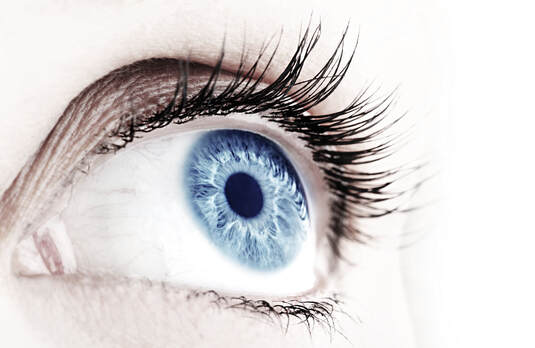
Iridology is a holistic health practice that involves studying the patterns, colors, and other characteristics of the iris (the colored part of the eye) to assess a person’s overall health. Practitioners of iridology believe that different zones of the iris correspond to various organs and systems in the body, allowing them to identify potential health imbalances or weaknesses. Unlike diagnostic medical tests, iridology is non-invasive and is often used as a preventive tool to detect signs of health issues before they manifest as physical symptoms.
This practice includes the evaluation of various iris markings, such as rings, spots, or lines, which are thought to reflect a person’s physical and emotional state. Iridologists use specialized charts that map out specific areas of the iris to their corresponding organs. For instance, the upper part of the iris might indicate issues related to the brain and head, while other sections may reflect the health of the digestive system, liver, or kidneys.
While iridology is not a substitute for medical diagnosis, it is used by many as part of a broader approach to holistic health, encouraging individuals to take preventive actions based on the insights provided.
To know more about how iridology can benefit you, get in touch with us!